
Greater Kruger Wildlife & Conservation Program
Join our Greater Kruger Wildlife Volunteer program in South Africa and experience conservation beyond safari tourism. Live in the African bush while supporting wildlife monitoring, reserve management and conservation activities.
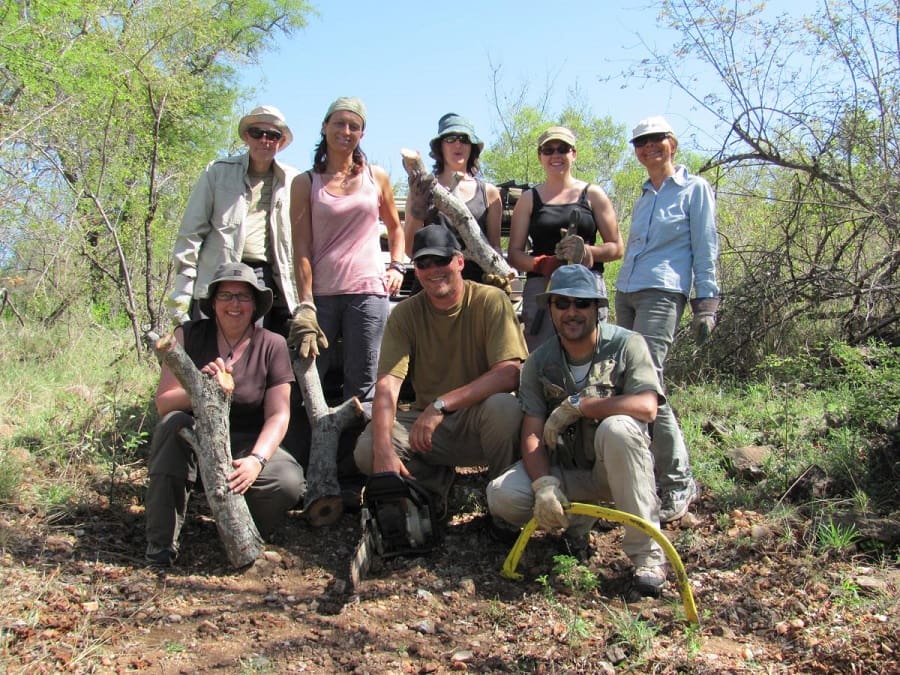
This hands-on wildlife program gives you the chance to join conservation teams in a wildlife reserve connected to the greater Kruger ecosystem. Expect early morning game drives, wildlife tracking, research activities, and unforgettable moments surrounded by nature. Wake up to the sounds of the African bush and spend your days tracking wildlife in one of South Africa’s most iconic safari regions.
Perfect for gap year travellers, wildlife lovers, conservation students, photographers, and anyone wanting to experience Africa beyond normal tourism.
What You’ll Experience
• Wildlife tracking and monitoring
• Bush walks with experienced guides
• Early morning and sunset game drives
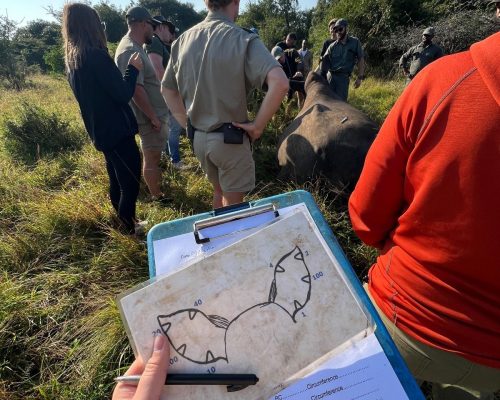
• Camera trap and data collection activities
• Learning about conservation and reserve management
• Life in a remote African bush environment
• Campfire evenings under the stars
• Meeting volunteers from around the world
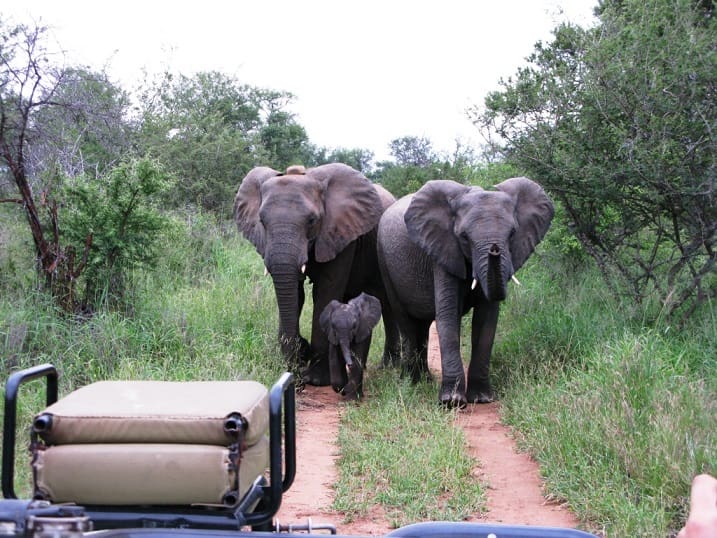
Life on the reserve is about more than conservation work. One day you might track elephants through the bush, while the next you could be watching lions from the vehicle at sunrise or listening to hyenas around camp at night.
Why Join Our Greater Kruger Wildlife Volunteer Program
This is not a typical safari experience. Instead of simply observing wildlife as a tourist, you become part of daily conservation activities taking place inside one of South Africa’s most iconic wildlife regions.
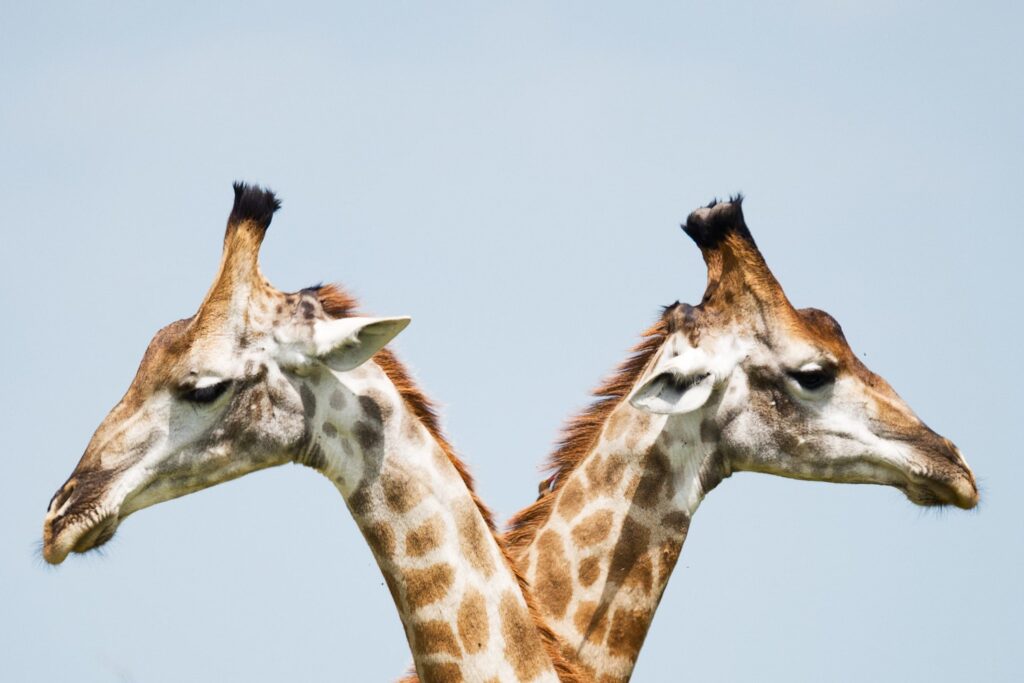
The reserve is home to the Big Five including elephants, lions, leopards, buffalo, hyenas, giraffes, zebras, antelope species, and so much more as well as incredible birdlife. Volunteers support conservation teams by helping collect information that contributes to wildlife monitoring and ecological research.
The experience is ideal for travellers who want:
- a more meaningful safari experience
- hands-on conservation exposure
- outdoor adventure in the African bush
- a gap year experience with a real purpose
- insight into African wildlife conservation
We recommend staying at least 2–4 weeks to fully experience the project and become part of daily life on the reserve. You can also combine this project with other wildlife and conservation programs.
Your Role as a Wildlife Volunteer
Your daily activities may include:
• Wildlife tracking and observation
• Elephant, lion, leopard, and hyena monitoring
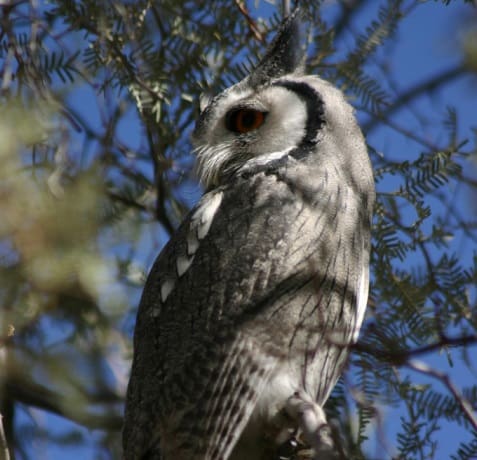
• Bird and raptor surveys
• Camera trap checks
• Habitat and environmental monitoring
• Assisting with conservation data collection
• Bush walks and ecological learning
• Supporting conservation education initiatives
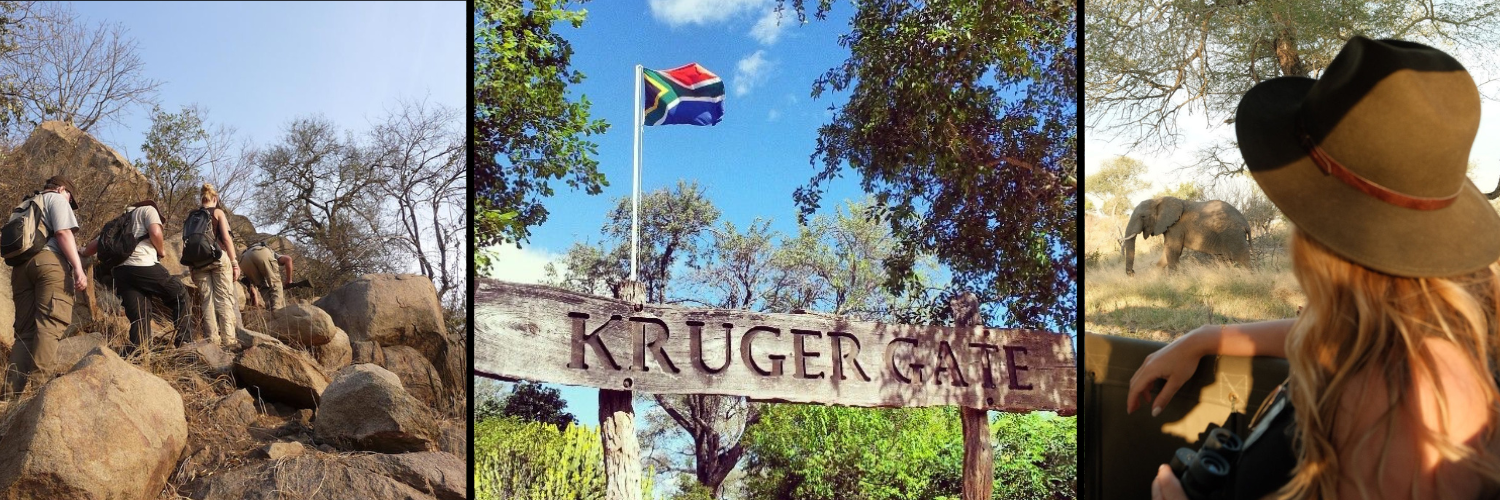
Some activities take place on foot under the supervision of armed and experienced rangers. These guided walks are often one of the highlights of the program and offer a much deeper connection to the bush.
No previous conservation experience is needed. You simply need to enjoy nature, outdoor environments, and being part of a team.
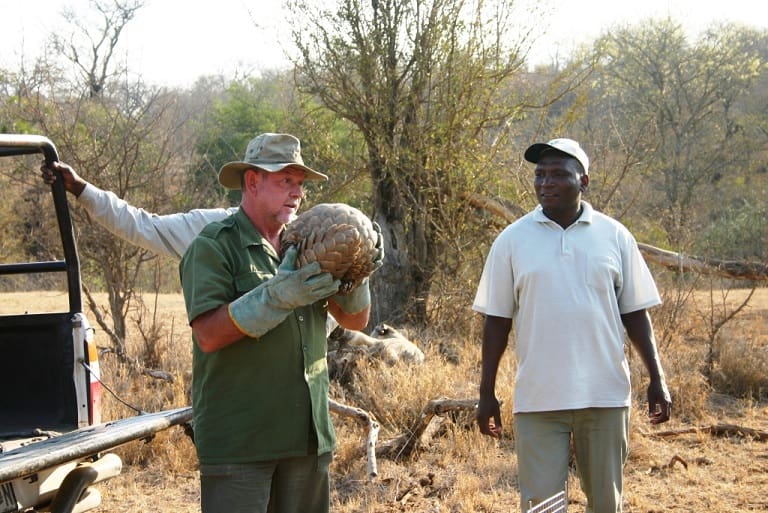
This program focuses on ethical conservation and does not involve wildlife handling, cub petting, or unethical animal interactions.
Life as a Greater Kruger Wildlife Volunteer
Living on the reserve means becoming part of the rhythm of the bush.
Early mornings often begin with coffee before heading out for field activities, while evenings are spent around the campfire sharing stories from the day. Expect incredible sunsets, star-filled skies, and the excitement of never knowing what wildlife you may encounter next.
The experience is social, adventurous, and immersive. Many volunteers leave with new friendships and memories that stay with them long after returning home.
Weekend Adventures
During free time and weekends, volunteers can explore some of South Africa’s most famous natural attractions.
Popular optional activities include:
- Kruger National Park safaris
- Panorama Route tours
- Blyde River Canyon
- Local markets and cultural experiences
- Scenic viewpoints and hiking spots
Accommodation and Support
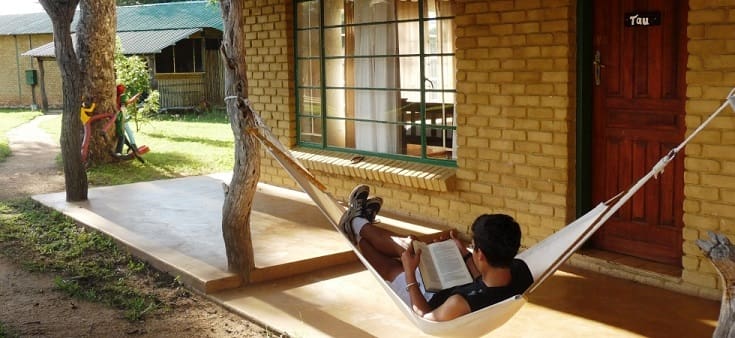
Volunteers stay in comfortable shared accommodation on or near the reserve.
Facilities include:
- shared bedrooms
- communal social spaces
- meals provided daily
- Wi-Fi access during designated times
- on-site project transport
- support from experienced conservation staff and coordinators
- Living in the middle of the bush creates a truly immersive wildlife experience from the moment you wake up until the end of the day.
What’s Included
Your program fee includes:
• Shared accommodation
• Daily meals
• Conservation activities
• Project transport
• Supervision from experienced rangers
• Airport transfers on set arrival days from Hoedspruit Airport
• Ongoing support from the Go With Khaya team
Ready to Join?
Ready to experience real wildlife conservation in South Africa?
Contact the Go With Khaya team to check availability, travel dates, and the best program duration for your stay.
FAQ – Greater Kruger Wildlife Conservation Program
Do I need conservation experience?
No experience is required. The program is suitable for first-time volunteers, gap year travellers, and conservation students alike.
Will I see the Big Five?
Wildlife sightings in the Greater Kruger Park are regular but never guaranteed. That is the excitement of living in the African bush and not on a safari tour. All activities follow conservation priorities, which means volunteers spend time observing, tracking and collecting data rather than chasing sightings but it’s the sitting still when the best sightings may happen.
Is this a good Gap Year Experience?
Absolutely. This program is especially popular with gap year travellers looking for true adventure, being in nature, and meaningful travel experiences. Explore other worthwhile true conservation programs.
Is the program ethical?
Yes. The project focuses on conservation, wildlife monitoring, and ecological research. There is no cub petting, breeding, or unethical wildlife interaction.
What is the minimum age?
Most participants join from around 18 years and older, although younger volunteers may sometimes join as part of a supervised group or family experience.